

What Are HeavyDuty Industrial Shredders 2026 Complete Guide and Expert Interpretation
This professional guide is meticulously crafted by senior mechanical engineers at Nanjing Luma Machinery Equipment Co., Ltd., a globally recognized provider of industrial shredding solutions. Heavy-duty shredders are core machinery widely utilized in metal recycling, plastic processing, and construction waste management to solve critical pain points like low throughput and equipment jamming. Many procurement managers and plant operators still hold misconceptions regarding their working mechanisms, classification standards, and optimal selection criteria. Drawing upon extensive field experience and over one thousand successful global projects, this article systematically breaks down the core definitions, operational principles, technical classifications, application scenarios, and common industry myths. Our goal is to help you establish a precise, professional understanding of heavy-duty shredding technology and make informed equipment decisions.

Core Definition and Industry Positioning of Heavy-Duty Shredders
Standard Definition
According to international mechanical engineering standards, a heavy-duty industrial shredder refers to a high-torque mechanical device designed to reduce large-volume solid materials into smaller, uniform fragments through shearing, tearing, and compression forces. In practical terms, it serves as the primary size reduction unit in recycling and waste management workflows, effectively replacing inefficient manual dismantling and outdated hammer mills that frequently suffer from blockages and excessive energy consumption.
Industry Value and Positioning
As an indispensable component in modern circular economy infrastructure, heavy-duty shredders have become the technological cornerstone for industrial transformation across multiple sectors. They deliver three core advantages that traditional crushing methods cannot match:
1. High torque and stable operation: Hydraulic drive systems and precision gearboxes ensure continuous processing of dense materials without stalling
2. Modular blade design: Replaceable wear-resistant cutters significantly extend service life and reduce long-term maintenance costs
3. Intelligent control integration: PLC automation enables real-time monitoring, overload protection, and seamless connection to downstream sorting lines
Core Differences from Traditional Solutions
To assist you in accurately distinguishing our shredding technology from conventional alternatives, the following comparison highlights the key distinctions between heavy-duty shredders and traditional impact crushers
Technical Indicator | Heavy-Duty Shredders | Traditional Impact Crushers |
|---|---|---|
Processing Mode | Shearing, tearing, low-speed high-torque | High-speed impact and collision |
Material Adaptability | Mixed waste, metals, plastics, tires | Brittle materials, dry aggregates |
Blockage Rate | Extremely low due to spiral feeding | Frequent jams requiring manual clearing |
Energy Efficiency | Optimized for dense loads, lower kWh per ton | High energy consumption for hard materials |
How Heavy-Duty Shredders Work: Core Principles Explained
In simple terms, the core working principle of a heavy-duty shredder relies on interlocking rotating shafts equipped with specialized cutting discs that tear and shear materials apart through controlled mechanical force. From a technical perspective, the complete operational cycle can be broken down into four fundamental steps
1. Material intake: Spiral conveyor or hydraulic pusher feeds bulky waste steadily into the crushing chamber, preventing air pockets and ensuring consistent load distribution
2. Shearing engagement: Counter-rotating shafts align precisely, creating a scissor-like action that grips and fractures the material along predetermined stress points
3. Size reduction and discharge: As the material passes through the rotor assembly, it is progressively torn into smaller fragments until it falls below the screen mesh threshold
4. Automatic regulation: Sensors continuously monitor motor current and torque, automatically adjusting feed speed to prevent overload and maintain peak efficiency
Main Technical Types and Principle Differences
Currently, the industry mainstream categorizes heavy-duty shredders into two primary configurations based on rotor architecture, each offering distinct characteristics and optimal use cases
Single Shaft Shredders
Core principle: Utilizes one main rotor paired with a stationary bed knife to crush and shear materials
Core advantage: Simple structure, compact footprint, ideal for homogeneous soft materials
Best application: Plastic films, cardboard, light wood scraps, electronic waste
Limits: Less effective for highly tangled or extremely thick metallic items
Double Shaft Shredders
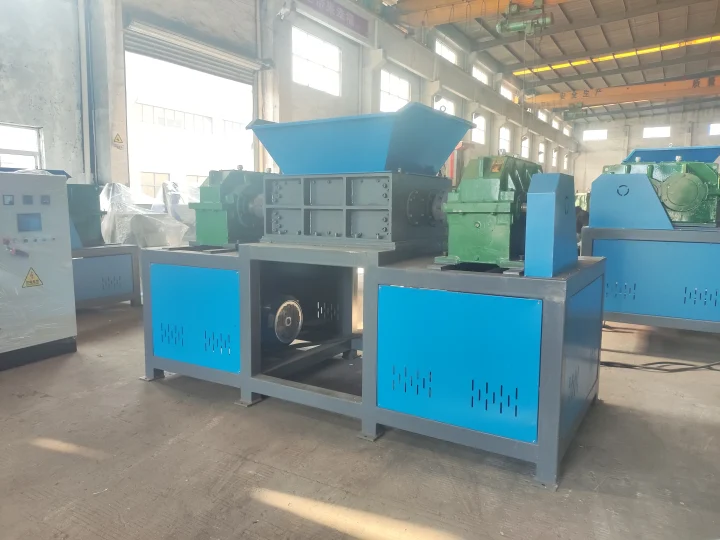
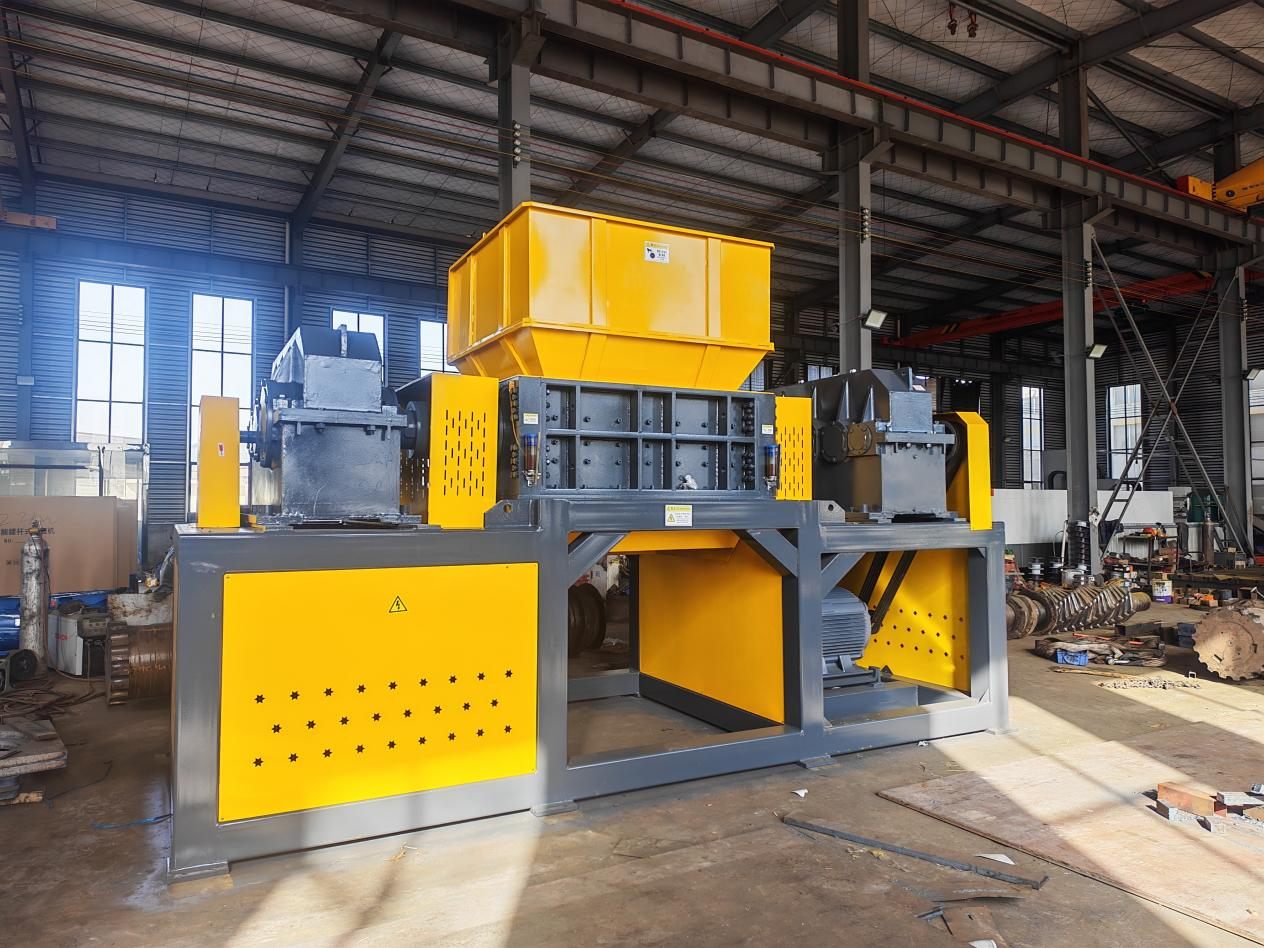
Core principle: Features two intermeshing rotors with staggered cutting discs that pull, tear, and shred materials simultaneously
Core advantage: Massive torque output, handles heterogeneous and dense waste efficiently
Best application: Scrap metal, car shells, rubber tires, construction debris, large plastic containers
Limits: Requires more floor space and higher initial capital investment
Primary Classifications and Core Performance Indicators
Based on global industry classification standards, heavy-duty shredders are categorized according to functional dimensions to meet diverse production requirements
Classification by Processing Capacity
Entry Level: 1 to 3 tons per hour, suitable for small workshops and local recycling stations
Mid Range: 5 to 15 tons per hour, designed for medium-sized factories and municipal waste centers
Heavy Duty: 20 to 30 tons per hour, engineered for large-scale industrial recovery parks
Classification by Target Material
Metal Focused: Reinforced chassis and tungsten carbide blades for ferrous and non-ferrous scrap
Plastic Focused: Optimized rotor geometry and low-noise motors for polymer recycling
Mixed Waste Focused: Versatile hydraulic systems adaptable to construction rubble and agricultural residues
Detailed Explanation of Core Performance Indicators
For most facility managers, the primary challenge lies in interpreting technical specifications correctly. The following breakdown clarifies each critical parameter and its practical significance for equipment selection
Performance Indicator | Standard Definition and Testing Method | Industry Reference Range | Selection Significance |
|---|---|---|---|
Rated Capacity | Measured under continuous operation with standardized material density | 1 to 30 metric tons per hour | Directly determines daily throughput and workforce scheduling |
Motor Power | Assessed via electrical load testing during peak torque conditions | 15 kW to 200 kW depending on model | Indicates ability to handle dense or oversized refuse without stalling |
Blade Hardness | Evaluated using Rockwell C scale after heat treatment processes | HRC 52 to HRC 60 for alloy steel variants | Governs wear resistance, replacement frequency, and total cost of ownership |
Noise Level | Recorded at operator distance using decibel meters under normal load | 75 dB to 85 dB with acoustic enclosures | Impacts worker safety compliance and urban facility permitting |
Typical Industry Application Scenarios
Thanks to robust engineering and adaptable configurations, heavy-duty shredders have been deployed across numerous sectors worldwide, resolving bottlenecks that traditional methods could not overcome. Based on extensive project deployment data, the following represent the most impactful application environments
1. Metal Recycling and Scrap Processing
Core demand and pain points: Facilities require rapid volume reduction of bulky automotive parts, aluminum cans, and steel beams. Conventional chippers often jam on mixed alloys and produce inconsistent fragment sizes
Targeted solution: Dual-shaft hydraulic shredders equipped with variable-speed rotors and hardened cutting discs achieve uniform sizing while maintaining continuous feed rates
Verified value: Enables direct smelter charging, reduces transportation costs by thirty percent, and increases raw material purity for downstream metallurgy
2. Plastic Polymer Recovery
Core demand and pain points: PET bottles, HDPE drums, and film waste create tangling issues in standard grinders, leading to frequent downtime and fiber contamination
Targeted solution: Low-speed high-torque single shaft units with anti-jam reverse functions safely shred polymers into clean flakes without generating excessive heat
Verified value: Improves washing line efficiency, yields consistent flake morphology, and supports closed-loop circular economy targets
3. Construction and Demolition Waste Management
Core demand and pain points: Mixed concrete, timber, and drywall generate hazardous dust and irregular piles that complicate landfill disposal and site clearance
Targeted solution: Heavy frame industrial shredders with reinforced bearings and dust suppression interfaces process heterogeneous debris into reusable aggregate fractions
Verified value: Accelerates site turnover, diverts seventy percent of waste from landfills, and generates saleable secondary raw materials
International Standards and Regulatory Compliance
To guarantee operational safety, mechanical reliability, and global market access, all heavy-duty shredding equipment must adhere to established engineering codes and regulatory frameworks. The following standards form the foundation of compliant manufacturing and deployment
Global Mechanical Safety Frameworks
ISO 12100:2010: Provides risk assessment and mitigation principles for machinery design, ensuring safe guarding and emergency stop functionality
IEC 60204-1: Specifies electrical safety requirements for industrial machines, covering control circuits, grounding, and overload protection
EN 1010 Series: Outlines safety requirements for metalworking machinery, including noise emission limits and vibration control measures
Market Access Certifications
European Union: CE marking demonstrating conformity with Machinery Directive 2006/42/EC and Low Voltage Directive 2014/35/EU
North America: UL certification for electrical components and OSHA compliance for workplace safety protocols
Asia Pacific: CCC certification for domestic sales and RCM marking for Australian electrical standards
Common Industry Misconceptions and Expert Clarifications
Through years of client consultations and field installations, we have identified recurring misunderstandings regarding heavy-duty shredder operations. The following expert insights clarify these myths and provide actionable guidance
Misconception 1: Higher horsepower always guarantees better performance
Industry truth and expert interpretation: Motor capacity must align with material density and desired output rate. Excessive power leads to unnecessary energy waste and larger gearbox requirements. Proper torque matching ensures efficient shearing without mechanical strain
Professional advice: Conduct material sampling tests to determine optimal power-to-capacity ratios rather than selecting maximum rated specs blindly
Misconception 2: Cutting blades are permanent and require zero maintenance
Industry truth and expert interpretation: All mechanical cutting edges experience gradual wear depending on abrasiveness and hardness of processed waste. Modern designs feature modular replaceable segments that minimize downtime and allow targeted refurbishment
Professional advice: Implement scheduled inspection routines and track blade thickness metrics to predict replacement windows accurately
Misconception 3: One universal machine can process any type of industrial waste
Industry truth and expert interpretation: Material heterogeneity dictates rotor configuration, blade geometry, and drive system selection. Attempting to force incompatible waste streams causes premature bearing failure and inconsistent particle size
Professional advice: Match equipment architecture specifically to your primary feedstock composition and secondary processing goals
Frequently Asked Questions
Q: What is the typical lifespan of a heavy-duty industrial shredder?
A: With proper maintenance and routine blade replacement, core structural components typically endure ten to fifteen years of continuous operation, while cutting elements require periodic servicing based on material abrasiveness
Q: How do I select between single shaft and double shaft configurations?
A: Single shaft models excel with homogeneous soft materials like plastics and paper, whereas dual shaft systems are engineered for dense, mixed, or tangled waste such as scrap metal and rubber tires
Q: Can these machines handle wet or contaminated feedstock?
A: Yes, modern hydraulic drive systems and corrosion-resistant coatings allow reliable processing of damp or dirty materials, though pre-drying may improve overall throughput efficiency
Q: What safety features are mandatory for operator protection?
A: Essential safeguards include interlocked access doors, emergency pull cords, overload sensors, and automatic reverse functions to prevent jam-related hazards
Q: Is custom engineering available for unique waste profiles?
A: Absolutely, manufacturers routinely adapt rotor speeds, screen mesh sizes, and blade geometries to match specific material characteristics and facility layouts
Contact Information
Company: Nanjing Luma Machinery Equipment Co., Ltd.
Official Website: http://www.njlmshredder.com/
Business Inquiry Email: [email protected]
Global Service Hotline: +86 19255621256
Factory Address: Mingjue Industrial Park, Shiqiu Street, Lishui District, Nanjing City
Previous:What Are HeavyDuty Industrial Shredders 2026 Complete Guide and Expert Interpretation
Next:2026 Industrial Waste Shredding Guide DoubleShaft Shredder Procurement Solutions
Guess You Like
-
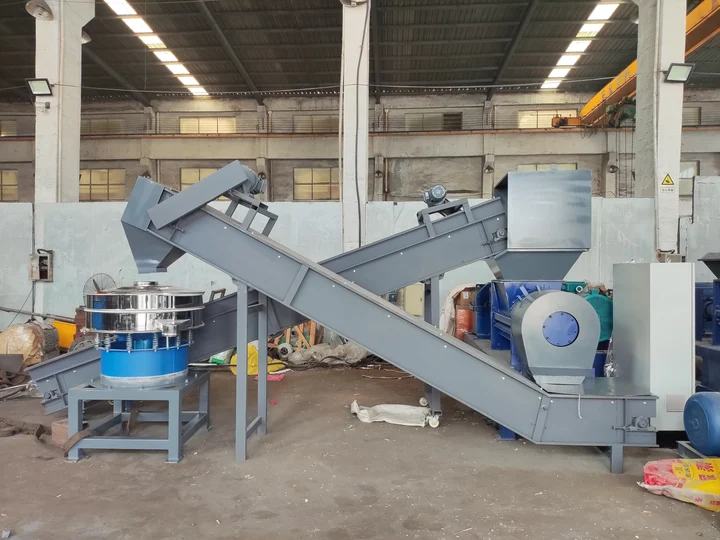
Nanjing Luma Machinery Equipment Co Ltd Launches Small Shredder Line for Global Markets
Compact, high-efficiency shredding solutions engineered to meet the needs of overseas waste recycling operationsNANJING, CHINA – 2026 – Nanjing Luma Machinery Equipment Co., Ltd., a leading provider o
-
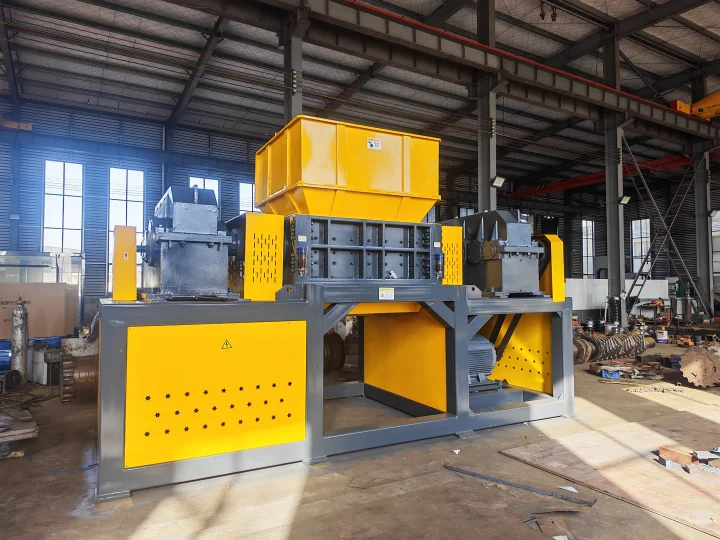
How to Select Trusted DoubleShaft Shredder Suppliers in China for Industrial Waste Processing
This guide is compiled by the technical team of Nanjing Luma Machinery Equipment Co., Ltd., a leading provider of industrial shredding solutions with over 11 years of on-site project experience, to ad
-
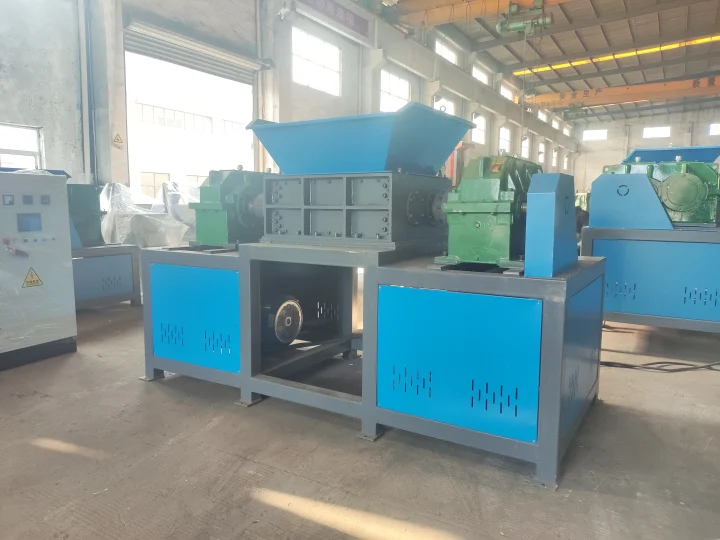
Rubber Shredder Technical Guide China Foreign Trade Wholesale Manufacturer Solutions
Yes, Nanjing Luma Machinery Equipment Co., Ltd. is a professional foreign trade wholesale manufacturer of rubber shredders based in China, with over 10 years of R&D and industrial application expe
-
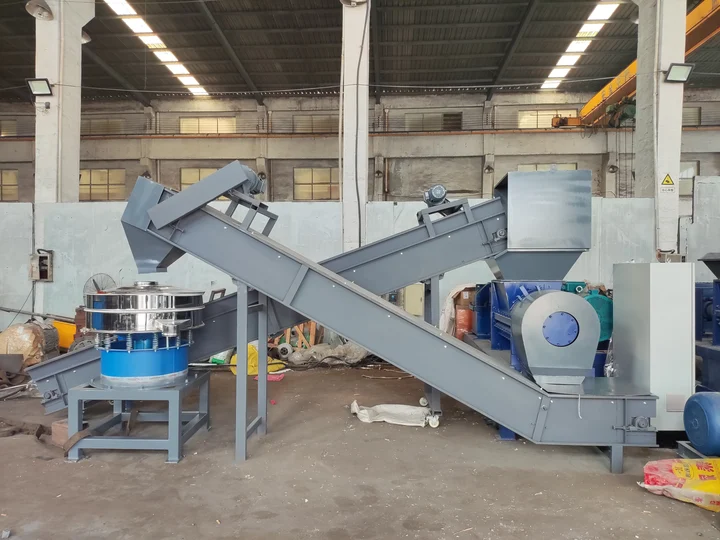
Plastic Shredder Manufacturers in China Comprehensive Industry Encyclopedia
This professional industry encyclopedia is compiled based on ISO industrial waste processing equipment standards and the 11 years of R&D and application experience of Nanjing Luma Machinery Equipm
-
2026 Global Tire Shredding Industry Top Challenges and Expert Solutions Complete Guide
Nanjing, China – 2026 – This guide is compiled by the industry research team of Nanjing Luma Machinery Equipment Co., Ltd., a leading provider of industrial tire shredding and waste recycling solution
-
Is Small Batch Procurement of Metal Shredders in China Feasible 2026 Guide Expert Analysis
This guide is prepared by the senior R&D and service team of Nanjing Luma Machinery Equipment Co., Ltd., a professional shredder manufacturer with 11 years of industry experience and over 1000 glo
-
Can Industrial Shredders in China Be Customized 2026 Complete Guide Expert Insights
This guide is compiled by senior R&D and application engineers from Nanjing Luma Machinery Equipment Co., Ltd., a leading provider of industrial shredders and waste recycling solutions in the glob
-
Shredder Blade Source Suppliers 2026 Global Industrial Shredder Industry TOP 5 Challenges and Expert Solutions Complete Guide
Nanjing, China – 2026 – This guide is compiled by the research team of Nanjing Luma Machinery Equipment Co., Ltd., a global leader in industrial shredder solutions with over eleven years of industry e
-
2026 Top Reliable China Rubber Shredder Service Providers List
Nanjing, China - October 2, 2026: The 2026 Top Reliable China Rubber Shredder Service Providers List is officially released, highlighting outstanding performances in the rubber shredder industry. Eval
-
Can Industrial Shredders in China Be Customized 2026 Complete Guide Expert Insights
This guide is compiled by senior R&D and application engineers from Nanjing Luma Machinery Equipment Co., Ltd., a leading provider of industrial shredders and waste recycling solutions in the glob
